

Connections That Keep the Grid Available
Transmission and distribution networks depend on thousands of electrical joints in substations, switchgear, breakers, transformers and cable systems. Each joint has to carry current, hold its contact force and tolerate temperature changes, vibration and assembly variation for many years.
Growing renewable generation, battery storage and network expansion are adding new equipment and new interfaces, often in more compact designs.
Haflinger works with equipment manufacturers, utilities and integrators as an application-focused engineering partner: helping define interface requirements, selecting suitable contact and connectivity technologies, and coordinating with manufacturers through validation.

Where Reliable Interfaces Matter
Key application areas across transmission and distribution equipment. Product suitability is confirmed for each design during engineering review.
Substation Equipment
Electrical and control interfaces inside transmission and distribution substations, where joints must stay reliable over long service intervals.
GIS / AIS Switchgear
Conductor joints and plug-in contacts in gas-insulated and air-insulated switchgear, where space, contact force and assembly tolerance interact.
Circuit Breakers & Disconnects
Moving and stationary contact interfaces that see repeated operations and need consistent engagement each time.
HV / MV Cable Connections
Cable terminations, plug-in connectors and accessories that join cables to equipment while managing current transfer and fit-up variation.
Current & Instrument Transformers
Secondary and primary connection points in CTs, VTs and other instrument transformers used for metering and protection.
Ring Main Units
Compact secondary-distribution switchgear where connection interfaces have to fit into a tight, sealed envelope.
Busbar & Power Connector Interfaces
Plug-in busbar joints and power connectors where multi-point contact and tolerance compensation can simplify assembly.
Renewable Grid Interconnection
Connection equipment between solar and wind plants and the grid, including collector substations and inverter-side interfaces.
Battery Energy Storage Interfaces
Rack, module and power-conversion connections in BESS installations that need serviceable, compact electrical joints.
Grid Monitoring & Protection
Sensors, I/O, gateways and communication links that feed protection, control and condition-monitoring systems.
Technologies for Power Infrastructure
The Haflinger technologies most relevant to power equipment and substation projects.
Canted Spring Contact Technology
Compact spring-based electrical contact technology designed for controlled force and conductive continuity in demanding power and electrical interfaces.
- Multi-point electrical contact
- Controlled spring force
- Tolerance compensation
- Compact packaging
- Mechanical retention options
- EMI/RF shielding potential
- Application-specific configuration
Canted spring contacts inside high-voltage switchgear
Where Spring Contacts Sit in Grid Equipment
Typical places a canted spring contact can carry current inside power equipment, shown as cutaway concept renders.
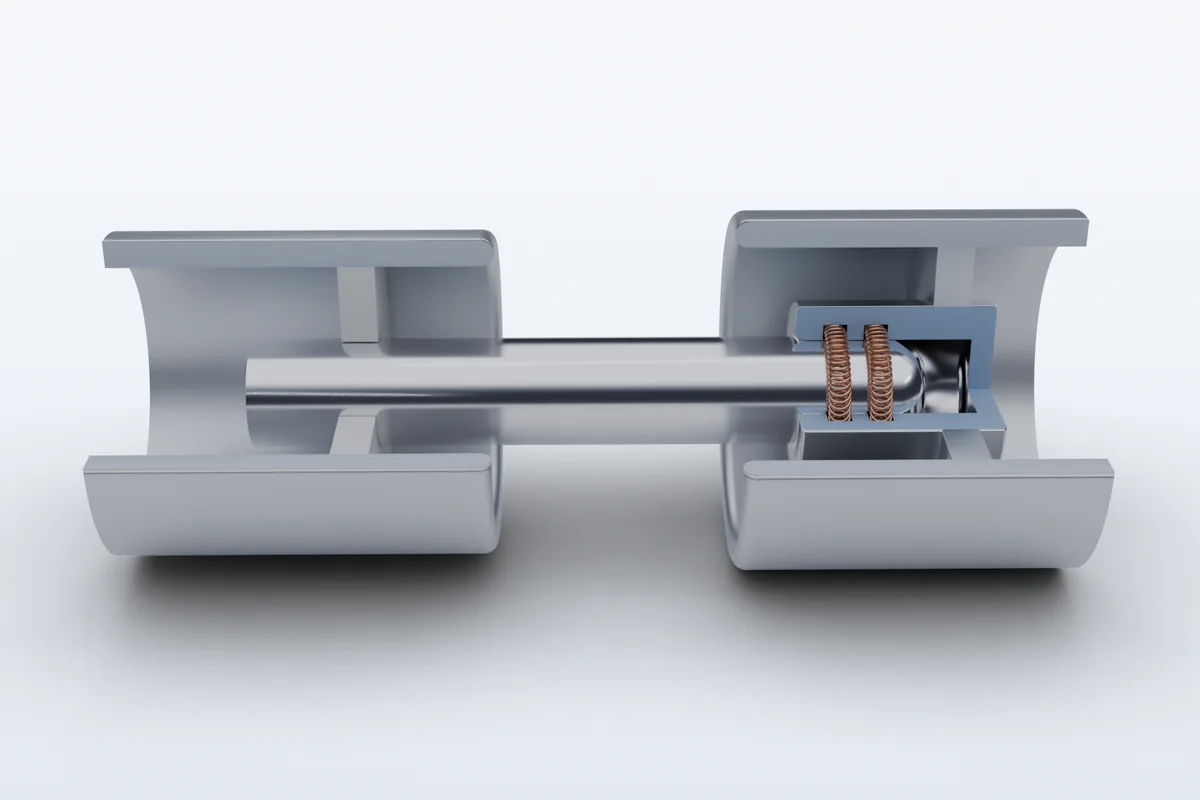
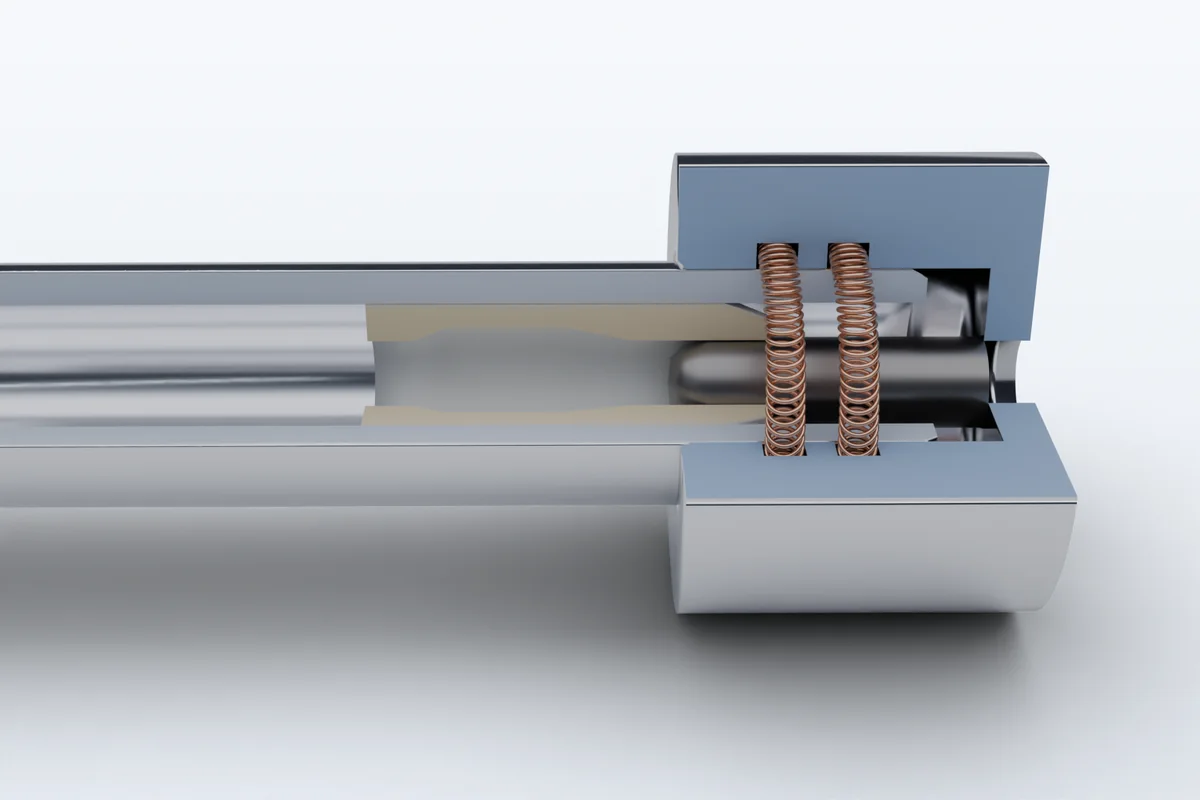
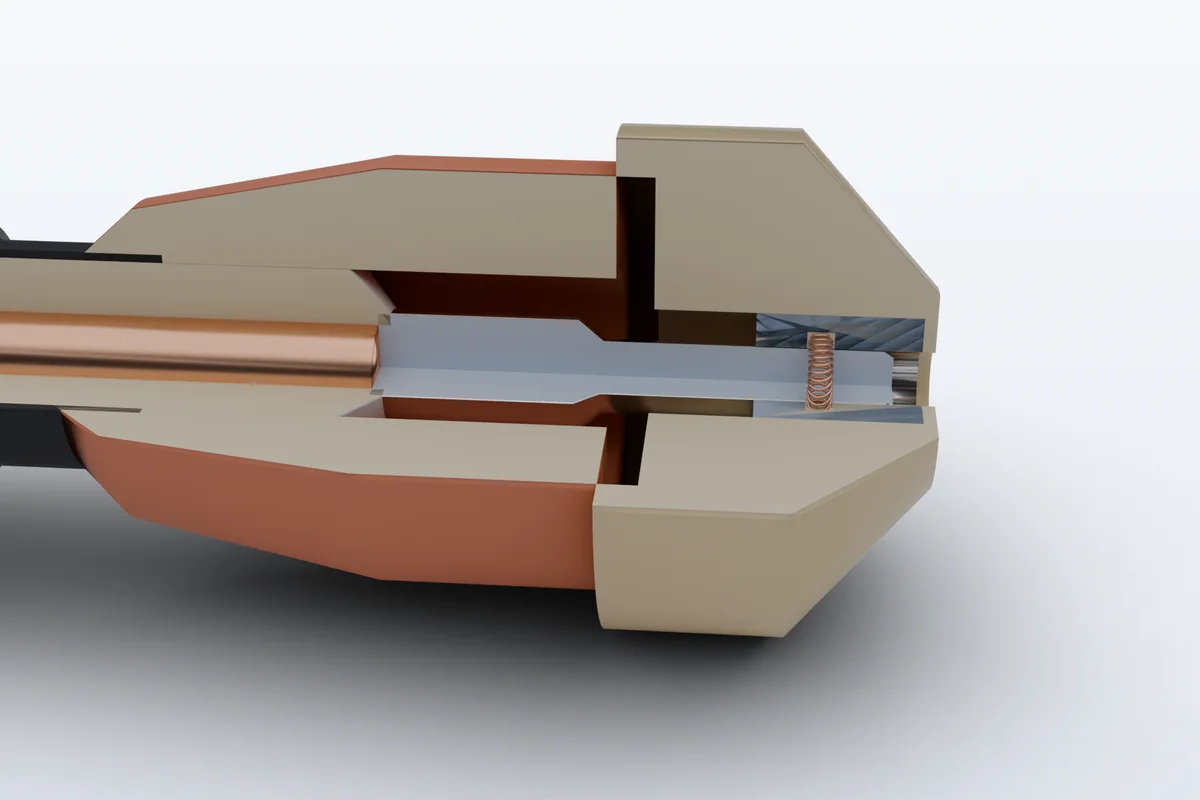
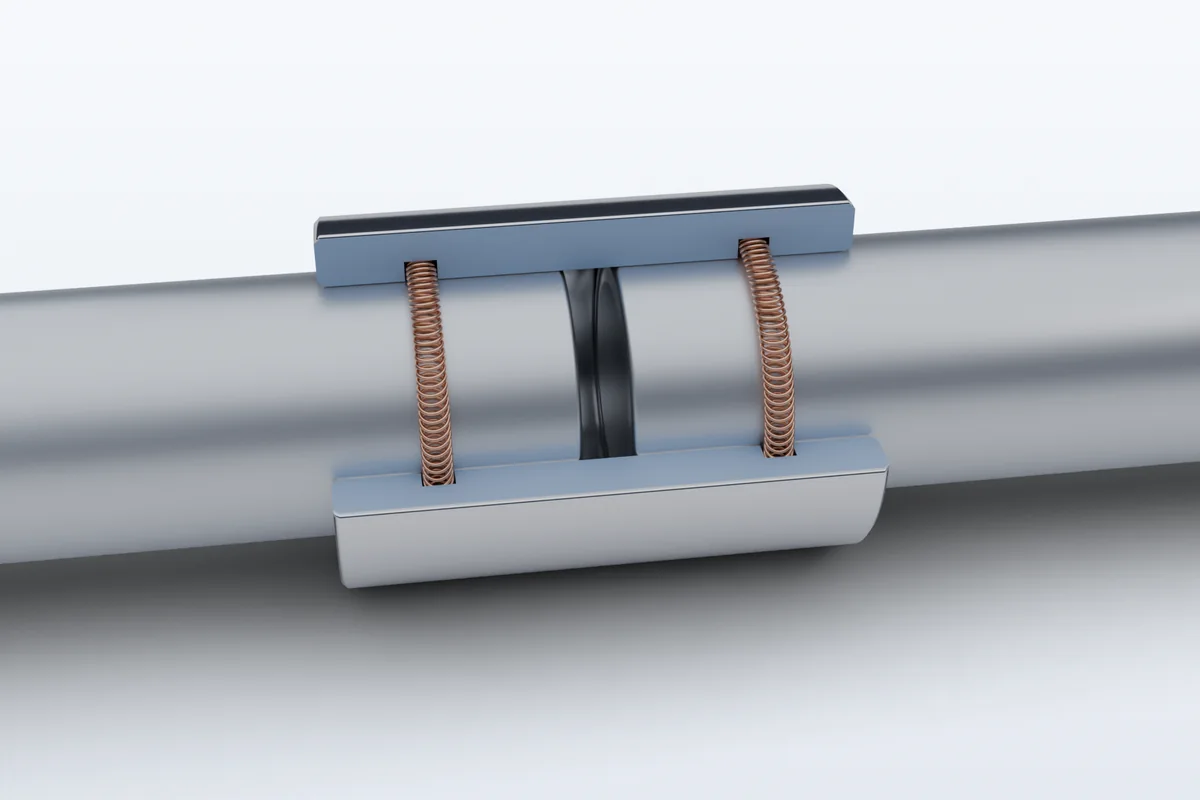
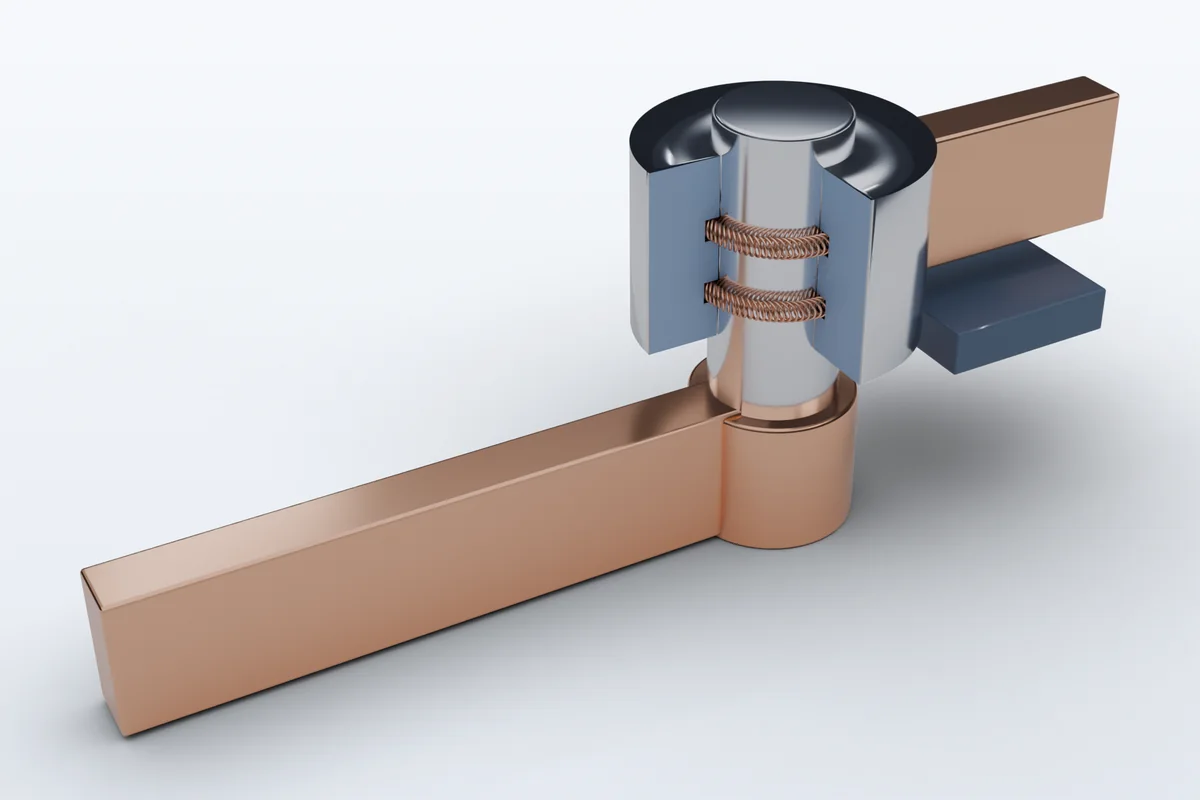
Original Haflinger 3D concept renders of typical application architectures. They do not depict specific customer equipment or certified products; suitability is subject to system design and validation.
Engineering the Equipment Interface
Typical considerations we work through with equipment designers.
Switchgear & Breakers
- Plug-in and sliding contact joints
- Repeated operating cycles
- Contact pressure over service life
- Assembly tolerance between modules
Cable Connections
- Terminations and separable connectors
- Current transfer across the joint
- Thermal cycling under load
- Fit-up variation during installation
Busbar & Connector Interfaces
- Plug-in busbar joints
- Thermal expansion of conductors
- Limited installation space
- Serviceable, removable assemblies
Connecting New Generation and Storage
Solar parks, wind farms and battery energy storage systems add collector substations, inverter and converter connections and new switchgear at the grid edge. These installations bring frequent thermal cycling and a strong need for compact, serviceable electrical joints.
We apply the same interface-first approach to these projects, alongside the connectivity, cable protection and monitoring products covered on our energy and renewables page.
Energy, Power & RenewablesFrom Grid Requirement to Engineered Contact
- 01
Grid requirement
High-current, high- or medium-voltage equipment must stay available for decades.
- 02
Equipment interface
Inside the equipment, a compact electrical joint connects conductors or modules.
- 03
Contact challenge
The joint has to hold contact force and conductivity across tolerances and temperature.
- 04
Engineering technology
A canted spring contact can provide multi-point contact with controlled force.
- 05
Haflinger support
Application engineering, product selection and technical coordination for the interface.
What a Well-Engineered Contact Can Offer
Compact Interfaces
Support high-function connections where available installation space is limited.
Contact Consistency
Engineered spring force can support consistent mechanical and electrical contact.
Tolerance Compensation
Spring compliance can help accommodate defined dimensional variation and movement.
Design Flexibility
Ring and straight-length formats can be configured around the application geometry.
Multi-Functional Design
A single contact element can potentially provide electrical contact plus mechanical retention or shielding.
Custom Engineering
Spring characteristics can be selected around the interface requirements.
Engineering Support Beyond Supply
From the first enquiry to validated hardware, our team supports the decisions that sit between your equipment design and the component that goes into it.
Application Engineering
We help define the electrical, mechanical and environmental requirements of each interface.
Product Selection
Shortlisting contact, connector and protection products against those requirements.
Technical Coordination
Coordinating drawings, samples and test planning between your engineers and manufacturers.
Custom Configuration
Supporting application-specific geometries where standard parts do not fit.
India-Based Support
A local engineering contact from first enquiry through design review and supply.
Global Coordination
Working with international engineering and manufacturing partners on your behalf.